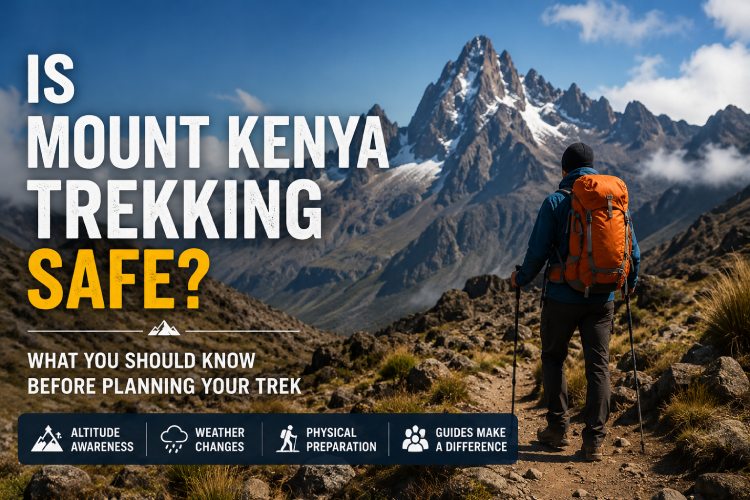
Is Mount Kenya Trekking Safe?
What you should know before planning your trek
If you’re thinking about trekking Mount Kenya, one of the first questions that comes up is… is it actually safe?
Short answer — yes, it generally is. But not in a “just show up and wing it” kind of way.
Most people who do Mount Kenya Trekking complete it without major issues. The problems usually happen when people underestimate things or rush into it without much preparation.
The real risks (nothing dramatic, but worth knowing)
It’s not a dangerous mountain in the extreme sense, but there are a few things you shouldn’t ignore.
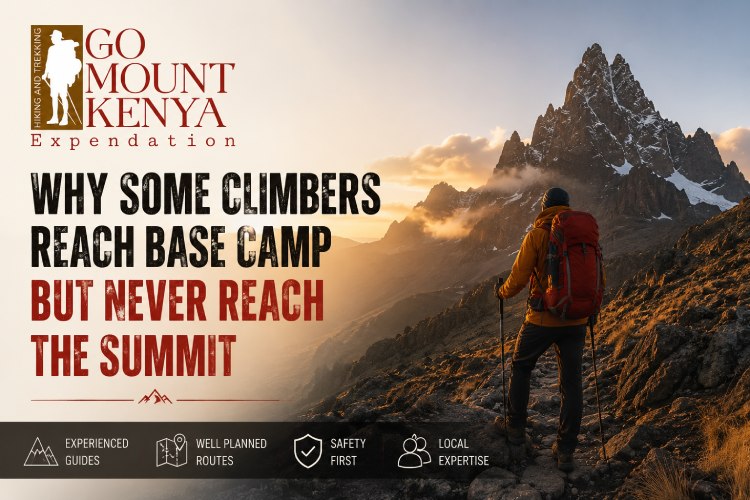
Altitude — this is the main one
As you go higher, oxygen levels drop. Your body needs time to adjust.
You might feel:
- Headaches
- Slight nausea
- Low energy
Some people feel it more than others. It’s a bit unpredictable, honestly.
That’s why slower routes and acclimatization days are important… even if you feel fine at the start.
Weather changes (can be a bit confusing at times)
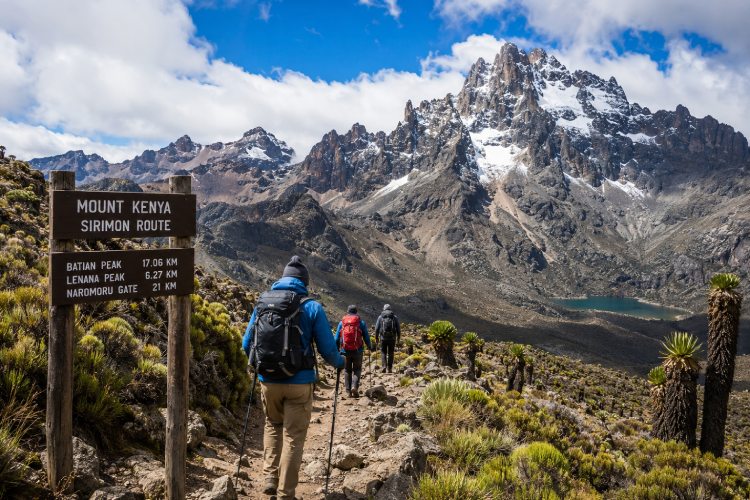
The weather doesn’t always stay consistent. Mornings can be clear, then clouds roll in, sometimes pretty quickly.
Not extreme, but enough to matter.
You’ll want:
- Layers (this is key)
- A decent jacket
- Something for rain, just in case
A lot of people either overpack or underpack. Finding that middle ground takes a bit of thought.
Physical effort (it builds up over days)
It’s not about one difficult section. It’s more about doing it for multiple days in a row.
Day 1 feels easy. Day 3… not always the same story.
You don’t need to be super fit, but being prepared helps. Even basic stamina makes a difference.
Why going with a guide helps
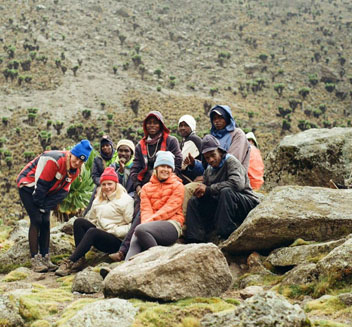
You can trek independently in some cases, but most people don’t.
Guides help with:
- Route navigation
- Pacing (which matters more than you think)
- Watching for altitude symptoms
- Handling small issues before they become bigger ones
Especially if this is your first Mountain Trekking experience at altitude, having someone experienced around just makes things smoother.
Preparation — this is where most people get it right or wrong
This part is often underestimated.
You don’t need extreme training, but you should:
- Do some basic fitness prep
- Choose the right route (not all are equal)
- Pack sensibly (not too much, not too little)
Also… don’t rush the itinerary. Faster isn’t always better here.
Picking the right route (actually important)
Some routes are easier to handle, like:
- Sirimon
- Chogoria
They allow gradual ascent, which helps with altitude.
Others are shorter but steeper, which can feel harder even if they save time.
If you’re unsure, it’s usually better to go with the slower option. It gives your body time to adjust.
FAQs
Is Mount Kenya safe for beginners?
Yes, especially routes leading to Point Lenana. With proper guidance, it’s quite doable.
Do I need climbing skills?
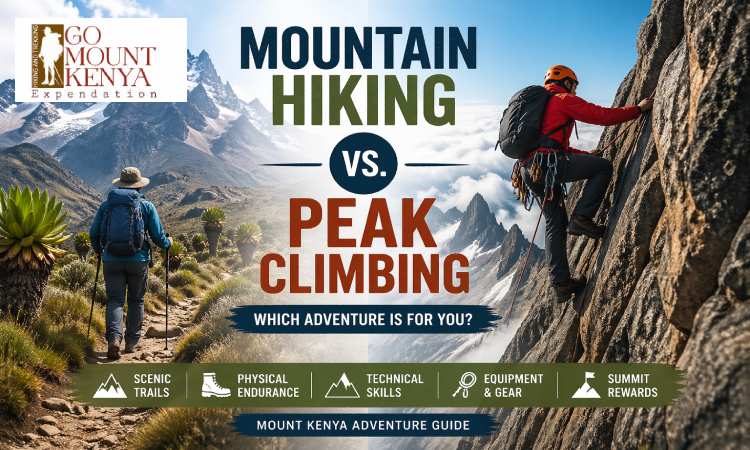
No, not for trekking routes. Only for technical peaks like Batian or Nelion.
How long does it take?
Usually around 4–6 days, depending on the route.
Final Thoughts
So, is it safe?
For most people — yes. As long as you prepare, take it seriously (but not fearfully), and don’t rush the process.
A Mount Kenya Hike isn’t just about reaching the top anyway. It’s the whole experience — the changing landscapes, the slower pace, even the tired moments in between.
If you’re thinking about trekking and not sure where to start, it’s worth having a quick conversation with someone experienced.