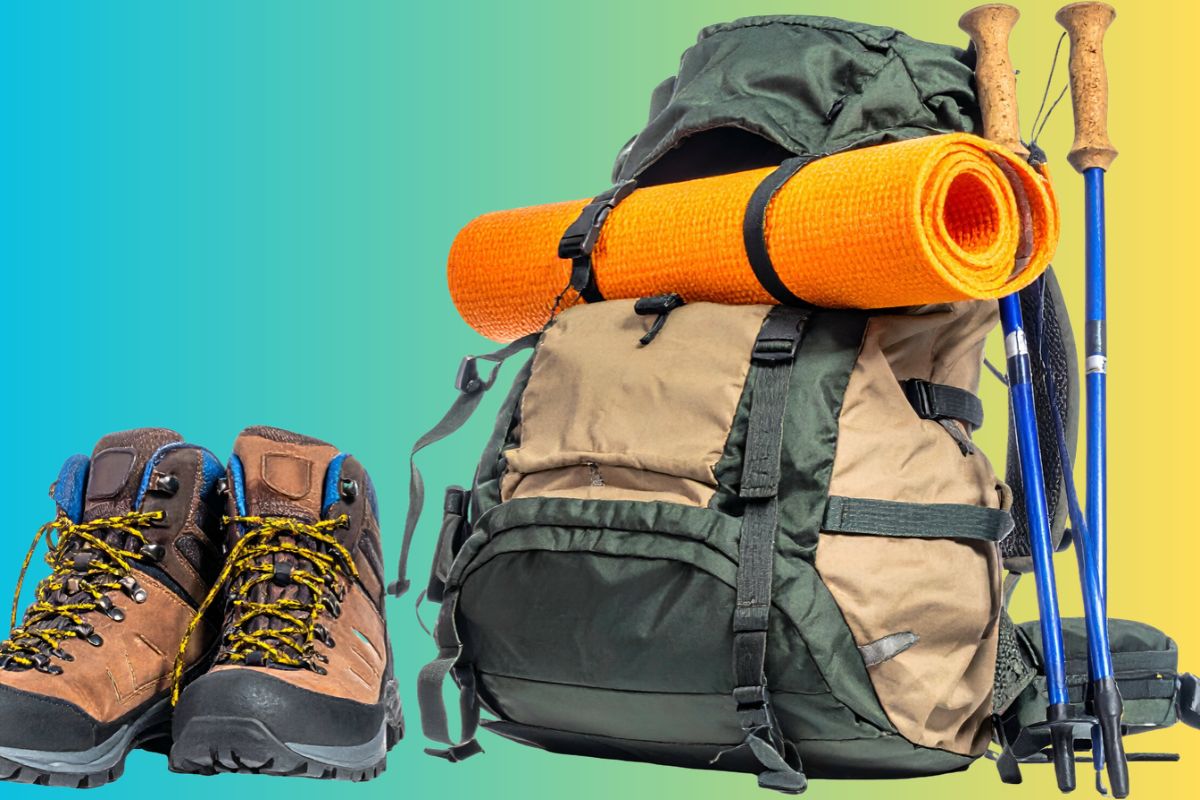
Preparing for a Mount Kenya trek involves more than choosing a route and booking your travel. What you carry with you can have a major effect on your comfort throughout the expedition.
Mount Kenya's conditions can change significantly as you gain altitude. A comfortable morning at a lower elevation can be followed by cold temperatures, wind, rain or challenging conditions higher on the mountain.
The goal is therefore not to carry everything you own. It is to pack practical, versatile equipment that helps you stay warm, dry, comfortable and prepared for changing conditions.
This guide explains the main items to consider when preparing for a Mount Kenya trekking adventure.
Why Packing for Mount Kenya Is Different
A Mount Kenya trek takes you through several different environments.
You may begin your journey in relatively mild conditions before moving through forest, moorland and increasingly exposed high-altitude terrain.
Temperatures can also change considerably between daytime and nighttime.
This means your packing list needs to work for different conditions rather than one type of weather.
A good approach is to think in terms of layers and essentials.
Instead of carrying one very heavy jacket, for example, several suitable layers can give you greater flexibility as conditions change.
Clothing: Pack in Layers
Layering is one of the most useful approaches when preparing for a mountain trek.
Your clothing should allow you to add or remove layers depending on temperature, activity level and weather.
Base layers
Base layers sit close to your body and help manage moisture during physical activity.
Choose comfortable trekking or outdoor clothing that allows you to move freely.
Avoid relying heavily on ordinary cotton clothing for demanding trekking conditions because it can retain moisture and become uncomfortable when temperatures fall.
Mid layers
A warm mid layer can provide additional insulation when temperatures drop.
Fleece or similar insulating clothing can be useful during colder sections of the trek and when resting at higher elevations.
Outer layer
Your outer layer should protect you from wind and rain.
A waterproof or weather-resistant jacket can become particularly important when mountain weather changes unexpectedly.
Warm clothing
Higher elevations can be cold, particularly during nighttime and early-morning periods.
Your packing list should therefore include appropriate warm clothing such as:
- Warm jacket
- Fleece or insulating layer
- Warm trousers or trekking trousers
- Gloves
- Warm hat or beanie
- Warm socks
The exact combination will depend on your itinerary and the expected conditions.
Trekking Footwear
Your footwear deserves careful attention.
A Mount Kenya trek involves walking over changing terrain, so comfortable and suitable hiking footwear is essential.
Choose footwear that:
- Fits properly
- Provides adequate grip
- Supports your feet comfortably
- Is suitable for the terrain
- Has been used before the trek
One important mistake is taking completely new hiking boots onto the mountain.
Your footwear should be broken in before the expedition so you already know how it feels during longer walks.
Bring suitable trekking socks as well, and consider carrying an extra pair so that you have a dry replacement if your feet become wet.
Rain and Weather Protection
Mountain weather can change quickly.
Even if the weather forecast looks favourable before you start, it is sensible to prepare for changing conditions.
Consider carrying:
- Waterproof jacket
- Waterproof trousers
- Backpack rain cover
- Waterproof bags or dry bags for important items
- Clothing that can handle changing weather
Keeping important items protected from moisture is particularly useful.
Electronics, documents and spare clothing should not be left exposed inside your backpack if rain becomes heavy.
Sleeping and Camp Essentials
If your itinerary includes overnight stays on the mountain, your sleeping equipment becomes another important consideration.
Depending on your chosen itinerary and what your trekking operator provides, you may need items such as:
- Sleeping bag
- Sleeping bag liner
- Headlamp
- Comfortable sleeping clothes
- Small personal towel
- Toiletries
- Earplugs if useful to you
Always confirm what is already provided as part of your specific trekking package before purchasing or carrying bulky equipment.
This can prevent unnecessary weight in your luggage.
Water and Hydration
Staying properly hydrated is an important part of any demanding trek.
Carry a suitable reusable water bottle, hydration system or combination that works for you.
Your trekking team can advise you about water availability and treatment requirements along your specific route.
Do not assume that every water source encountered on the mountain should automatically be treated as safe to drink.
Your guide or expedition operator should provide guidance on how water will be supplied and treated during your trek.
Personal and Health Essentials
Your personal packing list should include the items you regularly need.
Consider carrying:
- Personal medication
- Basic personal toiletries
- Sunscreen
- Lip balm
- Sunglasses
- Personal identification
- Necessary travel documents
- Small personal first-aid supplies
- Hand sanitizer
- Tissues or toilet paper
Sun protection is particularly useful at higher elevations, where exposure can feel stronger.
If you take prescription medication, make sure you have enough for your trip and keep it stored safely.
For any medical concerns or questions about altitude, consult an appropriate medical professional before your trek.
Daypack and Summit-Day Essentials
You will not necessarily want to carry your entire luggage throughout every section of the trek.
A comfortable daypack can hold the items you need while walking.
Depending on your itinerary, useful items may include:
- Water
- Snacks
- Rain jacket
- Warm layer
- Camera or phone
- Sunglasses
- Sunscreen
- Personal medication
- Small personal essentials
For summit day, keep your load as practical as possible.
You want the items you need to be easily accessible without carrying unnecessary weight.
Useful Extras
Some additional items can make the trekking experience more convenient.
Depending on your preferences, you may consider:
- Trekking poles
- Power bank
- Small camera
- Headlamp with spare batteries
- Lightweight backpack
- Travel adapter
- Small dry bags
- Reusable water bottle
- Buff or neck gaiter
- Small notebook
Not everyone needs every item.
The key is to distinguish between useful equipment and unnecessary weight.
What Not to Overpack
One of the easiest mistakes when preparing for a mountain trek is packing too much.
It is tempting to prepare for every possible situation, but carrying unnecessary weight can make long trekking days more tiring.
Before putting something into your bag, ask:
Will I actually use this during the trek?
If the answer is no, it may not need to come.
You can also avoid duplication.
For example, carrying several heavy jackets when a properly planned layering system would work better simply adds weight without providing much additional benefit.
Your final packing list should be based on your route, itinerary, season, personal requirements and the equipment provided by your trekking operator.
Preparing Before You Leave
Packing should not be done at the last minute.
A few days before your trip, lay out everything you plan to carry.
Check your:
- Footwear
- Clothing
- Waterproof equipment
- Sleeping equipment
- Personal medication
- Documents
- Electronics
- Water containers
- Personal essentials
Try your backpack on with the equipment inside.
This gives you an opportunity to identify unnecessary items before you travel.
It is also worth checking your trekking itinerary so that you understand what conditions and facilities to expect.
Your Mount Kenya Packing Checklist
Before leaving for your expedition, your checklist should cover the following categories:
Clothing
- Base layers
- Trekking trousers
- Fleece or warm mid layer
- Warm jacket
- Waterproof jacket
- Waterproof trousers
- Gloves
- Warm hat
- Trekking socks
Footwear
- Suitable hiking boots or shoes
- Trekking socks
- Spare footwear if required
Trekking equipment
- Daypack
- Headlamp
- Trekking poles
- Water bottle or hydration system
- Backpack rain cover
Personal essentials
- Sunscreen
- Sunglasses
- Lip balm
- Toiletries
- Personal medication
- Identification and travel documents
Optional useful items
- Camera
- Power bank
- Dry bags
- Neck gaiter
- Small towel
- Earplugs
Always compare this list with the equipment included in your particular expedition before packing.
Plan Your Mount Kenya Trek Today
Packing correctly can make your Mount Kenya trek considerably more comfortable.
The objective is not to carry the biggest backpack possible. It is to have the right equipment for the conditions you are likely to encounter.
Focus on layers, comfortable footwear, weather protection, hydration, personal essentials and equipment appropriate for your itinerary.
Most importantly, understand that your packing requirements can vary depending on the route and duration of your expedition.
Whether you choose Sirimon, Chogoria, Naro Moru or a route combination, preparation should begin well before you arrive at the mountain.
If you are planning your Mount Kenya adventure and need help choosing a suitable itinerary, explore our Mount Kenya trekking experiences or send us an enquiry to discuss your plans with Go Mount Kenya Expedition.
Ready to explore Kenya?
Explore our Mount Kenya treks, safari experiences and combined adventures.