
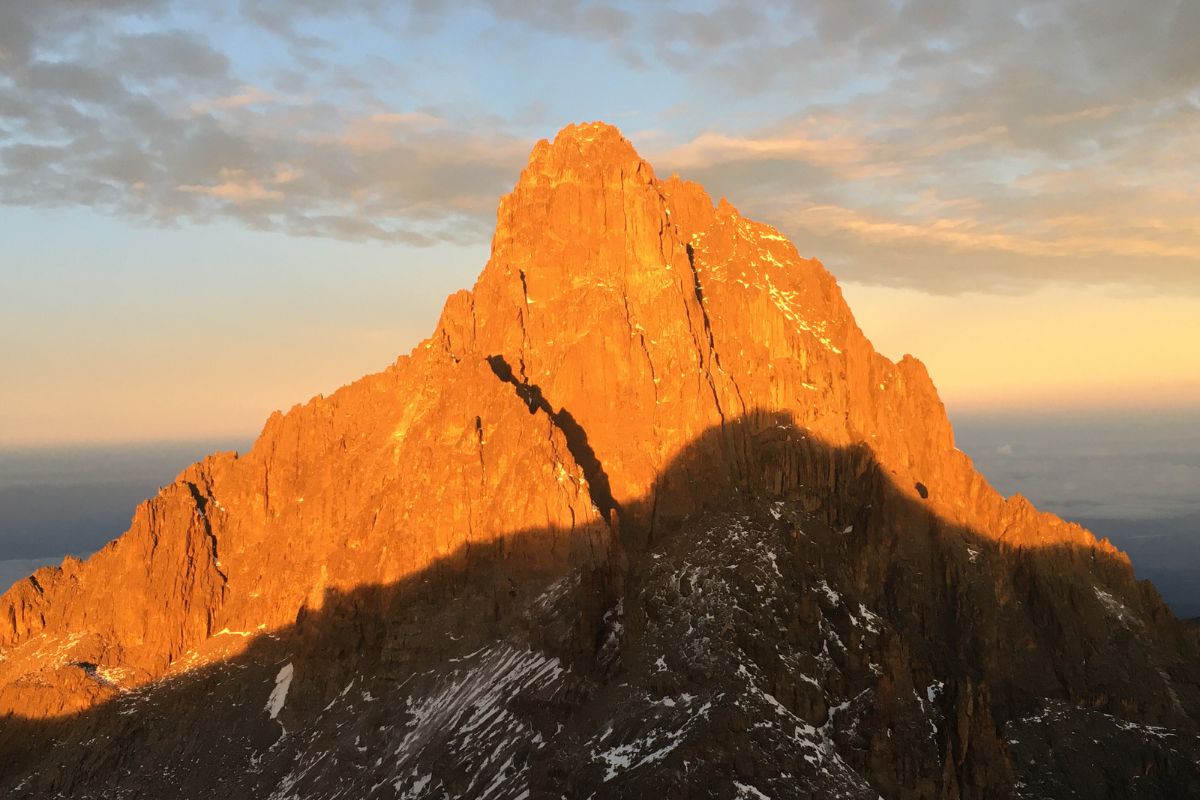
Mount Kenya Trekking: What to Expect on Your Adventure
One of the distinctive features of trekking on Mount Kenya is the changing landscape. Lower sections of the mountain can feel very different from the higher alpine environment. As the trek progresses, the surroundings become more open and rugged, creating a completely different experience from the landscapes found at lower elevations. Acclimatization is also an important part of a well-planned mountain trek. Allowing your body time to adjust to increasing altitude can make the experience more manageable. Our itineraries therefore take the pace of the trek and time at altitude into consideration rather than treating the mountain simply as a race to the summit. For many trekkers, the highlight is the summit attempt on Point Lenana. At approximately 4,985 metres, Point Lenana is the highest trekking summit on Mount Kenya. Reaching the summit is both a physical and personal achievement, with the surrounding mountain landscape providing a memorable setting for the experience. A successful trek is not only about reaching the summit. The journey itself is part of the adventure. Walking through different environments, spending time in the mountain, experiencing the changing weather and sharing the trail with your trekking team all contribute to the experience. Choosing the right route is another important consideration. Mount Kenya has several approaches, and different routes offer different scenery, trekking patterns and experiences. Routes such as Sirimon, Chogoria and Naro Moru can form part of different trekking itineraries, including journeys that combine approaches to create a more varied mountain experience. Preparation should also include thinking about personal fitness. You do not need to be an elite athlete to trek Mount Kenya, but regular walking, hiking or other endurance activities before the trip can help you feel more comfortable during the trek. Building your fitness gradually is generally more useful than attempting intense training shortly before departure. Your equipment matters as well. Sturdy trekking footwear, warm layers, waterproof protection, a daypack, water bottles, a headlamp, sun protection and personal medication are among the practical items to consider.
The exact packing requirements can vary depending on the itinerary and accommodation arrangements. Weather is another factor to respect. Mountain conditions can change quickly, and even a comfortable day at lower elevation can become cold and windy higher on the mountain. A good trekking plan therefore needs flexibility and appropriate preparation. Mount Kenya can be experienced during different periods of the year, and generally drier periods can provide favourable trekking conditions. However, mountain weather is variable, so preparation should always account for changing conditions rather than relying entirely on a seasonal expectation.
At Go Mount Kenya Expedition, our focus is on creating guided trekking and safari experiences that allow travellers to experience Kenya beyond the usual sightseeing itinerary. Whether your goal is a focused Mount Kenya trek or a longer adventure combining the mountain with a wildlife destination, the journey should be planned around your interests, itinerary and experience level. If Mount Kenya is on your travel list, the next step is to explore the available trekking itineraries and choose an experience that fits the type of adventure you want. Explore our Mount Kenya trekking experiences or send us an enquiry if you would like to discuss your planned trip.
Ready to explore Kenya?
Explore our Mount Kenya treks, safari experiences and combined adventures.