8 Days Mount Kenya Batian Technical Climb via Normal Route – Nelion
An eight-day Batian technical expedition via Nelion with an additional acclimatization day and recovery time.
Duration:
8 Days / 7 Nights Route:
Naro Moru Gate – Met Station – Mackinder’s Camp – Austrian Hut – Nelion – Batian – Austrian Hut – Mackinder’s Camp – Naro Moru Difficulty:
Technical
The Experience
Overview
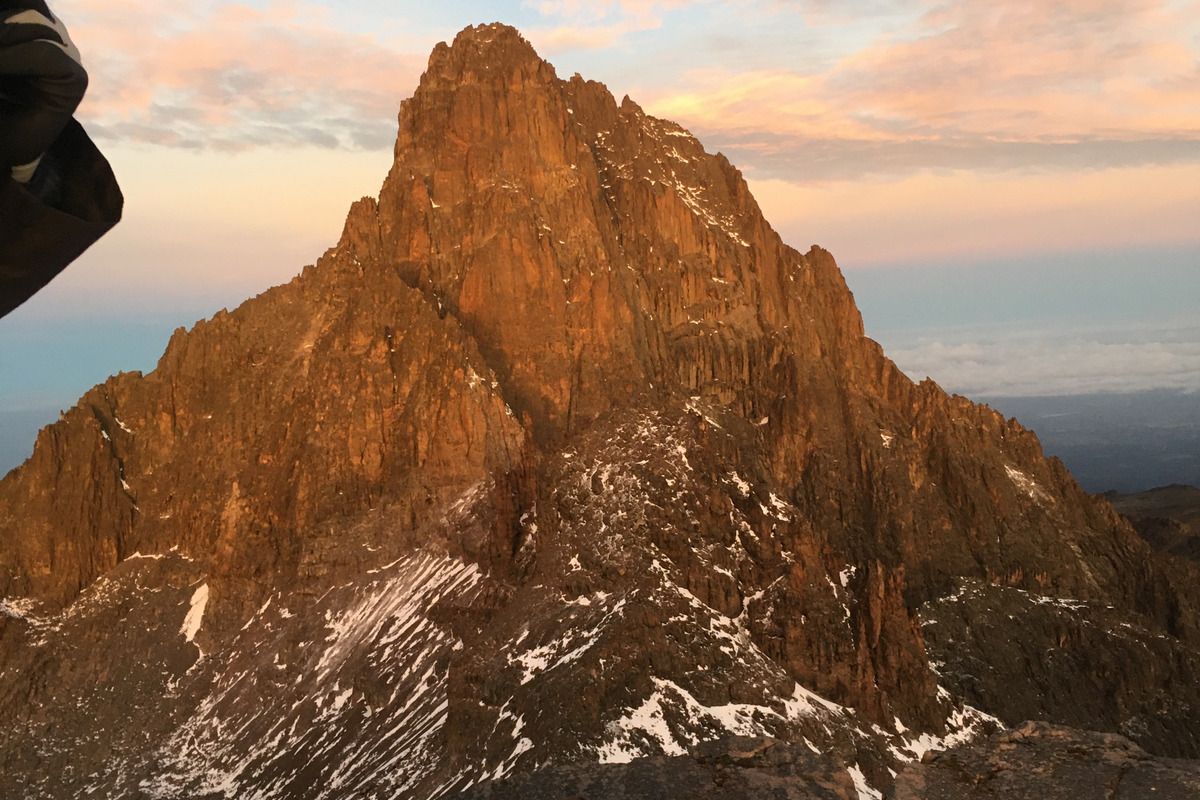
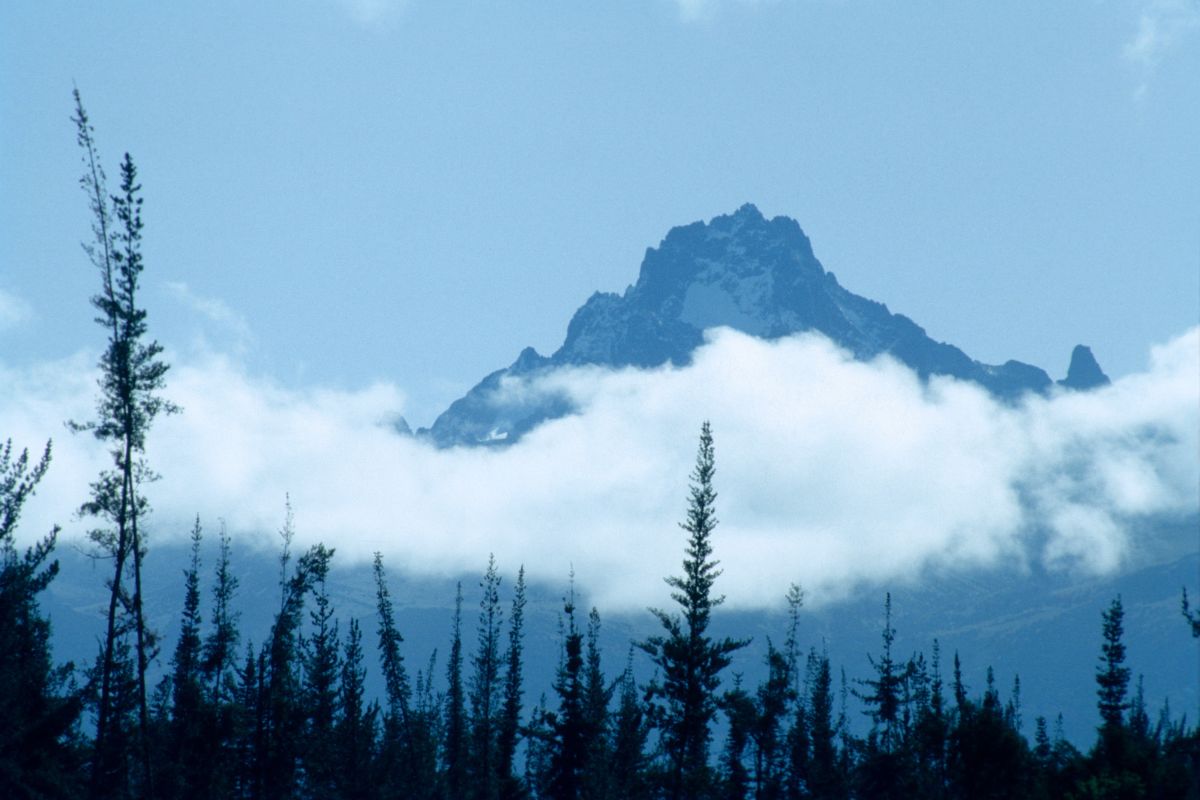
This eight-day technical mountaineering expedition aims for Batian (5,199 m) via Nelion (5,188 m) and the Normal Route. It combines trekking through forest and alpine moorland with acclimatization, technical preparation and exposed rock climbing. The route crosses the Gates of the Mists between Nelion and Batian. The summit attempt is dependent on weather, route conditions, technical ability and the guide’s safety assessment.
The Journey
Trek Gallery
Mt Kenya GoMt Kenya Expedition (7)
Why This Expedition
Tour Highlights
Batian summit attempt at 5,199 m.
Technical Normal Route via Nelion at 5,188 m.
Traverse the Gates of the Mists if conditions allow.
Transfer from Nairobi to Naro Moru Gate, complete entry formalities and trek through montane forest toward Met Station. Walking time 3–4 hours. Overnight at Met Station/mountain camp. Meals: lunch and dinner.
Day
2
Met Station – Mackinder’s Camp
Climb through moorland and the Vertical Bog into the alpine zone. Continue to Mackinder’s Camp around 4,200 m. Walking time 6–7 hours. Overnight at Mackinder’s Camp. Meals: breakfast, lunch and dinner.
Day
3
Acclimatization – Mackinder’s Camp / Austrian Hut area
Take a gradual acclimatization hike toward Austrian Hut and the upper mountain. Subject to conditions, review terrain, practice rope techniques and check climbing equipment. Return to Mackinder’s Camp and rest early. Overnight at Mackinder’s Camp.
Day
4
Mackinder’s Camp – Austrian Hut
Move higher through the alpine zone to Austrian Hut at approximately 4,790 m. Allow 4–5 hours. Inspect weather and route conditions, check equipment and prepare for the summit attempt. Overnight at Austrian Hut.
Day
5
Austrian Hut – Nelion – Batian – Austrian Hut
Start before sunrise. Climb Nelion’s Normal Route using technical rock climbing and exposed scrambling. If safe and appropriate, cross the Gates of the Mists and continue to Batian at 5,199 m. Descend via the established route to Austrian Hut. This is a demanding full technical day; the guide may modify or stop the climb. Overnight at Austrian Hut.
Day
6
Austrian Hut – Mackinder’s Camp
Descend from Austrian Hut to Mackinder’s Camp after the summit day. Allow approximately 3–4 hours. Rest and recover. Overnight at Mackinder’s Camp.
Day
7
Mackinder’s Camp – Met Station
Descend through alpine moorland and forest toward Met Station. Allow approximately 5–6 hours. Overnight at Met Station/mountain camp.
Day
8
Met Station – Naro Moru Gate – Nairobi
Complete the final forest descent to Naro Moru Gate, exit the park and transfer to Nairobi. Walking time 3–4 hours. Meals: breakfast and lunch.
Included
What's Included
Transport from Nairobi to Mount Kenya and return.
Mount Kenya National Park entry and conservation fees.
Professional technical mountain guide.
Porters for trekking sections.
Mountain accommodation and meals as specified.
Camping equipment where required.
Technical climbing equipment required from the outfitter, subject to confirmation.
Applicable government and park charges.
Emergency support arrangements as applicable.
Not Included
What's Not Included
International flights, visa and travel documentation.
Travel and medical insurance.
Personal climbing equipment, clothing and sleeping bag.
Tips, personal drinks, snacks and expenses.
Accommodation in Nairobi before or after the climb.
Evacuation or itinerary-change costs outside the operator’s control.
When To Go
Best Time to Trek
The commonly preferred drier planning periods for Mount Kenya technical climbing are January–March and July–October, although actual conditions vary. A longer itinerary can provide flexibility, but it cannot guarantee a summit. The technical guide makes the final decision based on rock conditions, weather and climber readiness.
Prepare For The Mountain
What to Pack
PACKING CHECKLIST — TECHNICAL CLIMB
Mountain clothing: moisture-wicking base layers, insulating layers, waterproof and windproof shell, climbing trousers, warm hat, sun hat and suitable gloves.
Approach and camp: appropriate approach/mountain footwear, trekking socks, daypack, headlamp with spare batteries, water containers, sunglasses, sunscreen, toiletries and personal medication.
Technical equipment: helmet, climbing harness, suitable climbing footwear, belay/rappel device, locking and non-locking carabiners, slings, prusiks and any route-specific protection required by the lead guide. Confirm rope systems and group equipment with the expedition leader.
The exact kit depends on the route and current conditions. Have the guide confirm equipment, technical experience requirements, and which items are supplied before travel.
Frequently Asked Questions
FAQs
What is the difference between this and a trekking package?
This is a technical climbing expedition requiring climbing skills, specialised equipment and a qualified technical guide. It is not a standard trekking route to Point Lenana.
Why is the itinerary eight days?
The longer schedule allows time for approach, preparation and flexibility around climbing conditions. The exact sequence and summit plan should be confirmed with the operator.
Do I need to be an experienced climber?
Yes, you should have relevant technical climbing experience. The guide should review your experience and equipment before accepting the climb.
What happens if the route is unsafe?
The guide may wait for a safer weather window, change the plan or abandon the climb. No summit attempt should proceed when conditions are unsafe.
Interested in This Trek?
Tell us your preferred travel dates, number of
travellers and any questions you have about the
expedition.