6 Days Mount Kenya Trek – Naro Moru to Chogoria via Shipton’s Camp
A scenic west-to-east Mount Kenya traverse via Naro Moru, Shipton’s Camp and Point Lenana, descending through the spectacular Chogoria side.
Duration:
6 Days / 5 Nights Route:
Naro Moru Gate – Met Station – Mackinder’s Camp – Shipton’s Camp – Point Lenana – Mintos Camp – Chogoria Gate Difficulty:
Challenging
The Experience
Overview
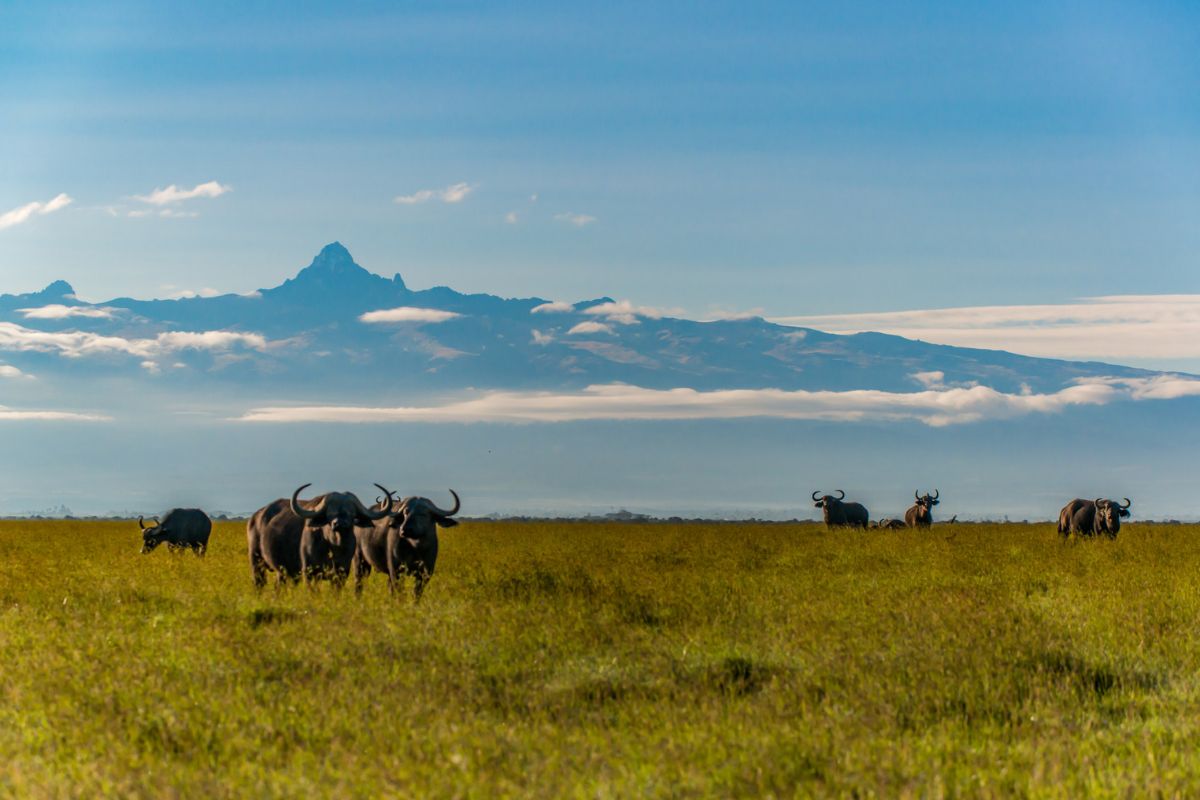
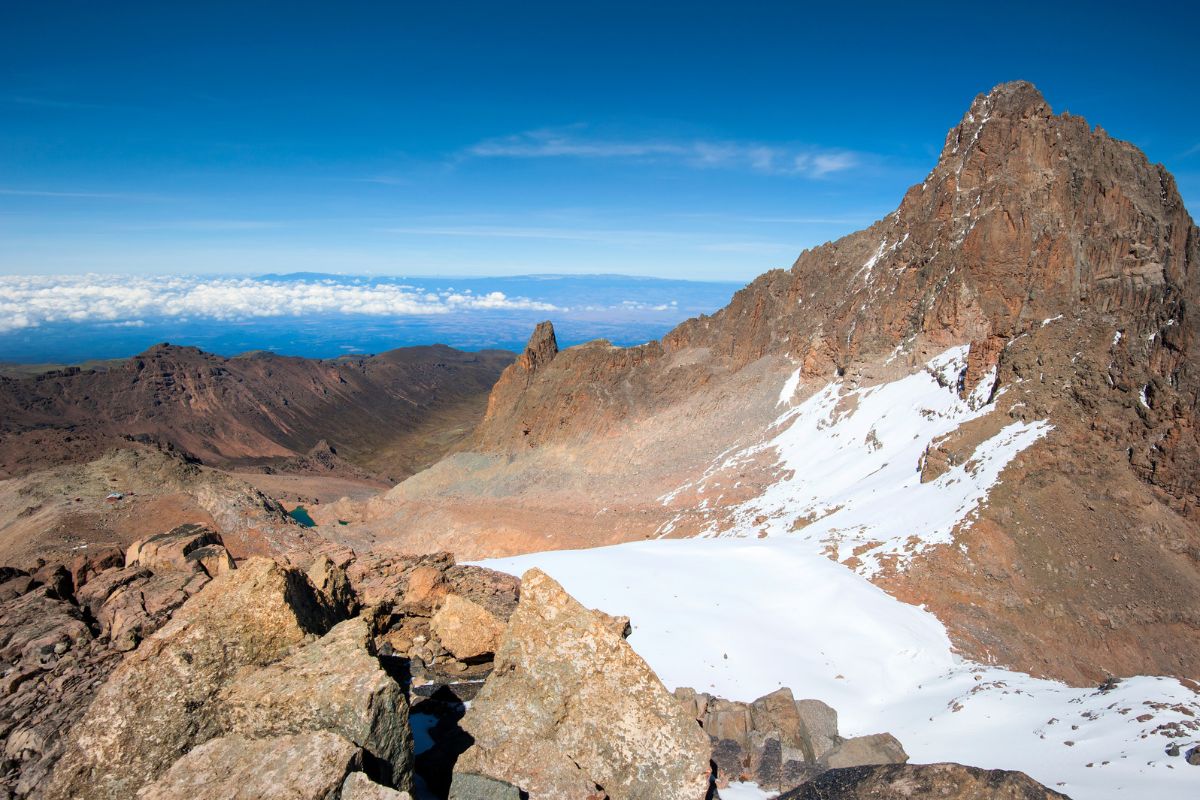
This 6-day Mount Kenya trek traverses the mountain from west to east. The route begins at Naro Moru Gate, passes through the montane forest, moorland and Mackinder’s Valley, and continues to Shipton’s Camp beneath Batian and Nelion. An acclimatization day at Shipton’s Camp precedes an early summit attempt on Point Lenana (4,985 m). After the summit, descend past Hall Tarns and Mintos Camp through Gorges Valley to Chogoria Gate. Accommodation is in mountain huts and/or campsites. This is a challenging trek suited to experienced hikers seeking a scenic traverse.
The Journey
Trek Gallery
Mt Kenya GoMt Kenya Expedition (8)
Why This Expedition
Tour Highlights
Traverse Mount Kenya from Naro Moru to Chogoria.
Summit Point Lenana at 4,985 m, weather permitting.
Acclimatize at Shipton’s Camp beneath Batian and Nelion.
Explore Mackinder’s Valley and the high alpine zone.
Enjoy sunrise views from Point Lenana.
Descend past Hall Tarns, Mintos Camp and Gorges Valley.
Distance: approximately 8 km; 3–4 hours; starting elevation about 2,650 m; camp about 3,050 m. Meals: lunch and dinner. After breakfast, drive to Naro Moru Gate, complete park formalities and trek through montane forest and bamboo into moorland. Rest at Met Station and begin acclimatizing. Overnight at Met Station Camp.
Day
2
Met Station – Mackinder’s Camp
Distance: approximately 8 km; 5–7 hours; about 3,050–4,200 m. Meals: breakfast, lunch and dinner. Climb through forest and giant heather, cross the Vertical Bog section and enter the alpine moorland of Teleki/Mackinder’s Valley. Continue to Mackinder’s Camp at around 4,200 m. Overnight at camp.
Day
3
Mackinder’s Camp – Shipton’s Camp
Distance: approximately 7–9 km; 4–6 hours; highest point around 4,600 m. Meals: breakfast, lunch and dinner. Continue toward the summit circuit and Hausberg Col area, crossing high-altitude terrain before reaching Shipton’s Camp at about 4,200 m. Enjoy views of Batian, Nelion and Point Lenana. Overnight at Shipton’s Camp.
Day
4
Acclimatization at Shipton’s Camp
Allow 3–5 hours for a controlled acclimatization hike around 4,200–4,600 m, depending on weather and group condition. The guide may choose the Kami Hut/high summit approach area before returning to camp. Rest, hydrate and prepare for the summit attempt. Meals: breakfast, lunch and dinner. Overnight at Shipton’s Camp.
Day
5
Shipton’s Camp – Point Lenana – Mintos Camp
Distance: approximately 12–15 km; 7–10 hours. Start around 2:00–3:00 a.m. and climb by headlamp to Point Lenana (4,985 m) for sunrise if conditions permit. Descend toward the eastern side, pass Hall Tarns and continue to Mintos Camp. Meals: breakfast, lunch and dinner. Overnight at Mintos Camp.
Day
6
Mintos Camp – Chogoria Gate – Chogoria Town
Distance: approximately 15–20 km depending on vehicle access; 5–7 hours. Descend through Gorges Valley, moorland, giant heather and forest. Meet the mountain vehicle at the agreed point, continue to Chogoria Gate and transfer to Chogoria town. Meals: breakfast and lunch.
Included
What's Included
Mount Kenya National Park entry fees.
Mountain hut/camping fees according to the itinerary.
Professional mountain guide, porters and cook.
All meals while trekking.
Drinking/treatment water on the mountain.
Camping equipment where required.
Ground transport to Naro Moru Gate.
Transfer from Chogoria Gate at the end of the trek.
Applicable government taxes and park charges.
Not Included
What's Not Included
International flights and Kenya entry/visa requirements.
Travel and medical insurance.
Personal trekking equipment and sleeping bag.
Trekking boots and walking poles.
Personal snacks and drinks.
Accommodation before or after the trek.
Tips for guides, porters and cook.
Personal expenses and services not listed as included.
When To Go
Best Time to Trek
Mount Kenya trekking is generally most comfortable during the drier periods, especially January–March and July–October. Conditions can change quickly at high altitude, and rain, wind, cold and visibility vary from year to year. Your guide should confirm the most suitable dates and daily plan before departure.
Prepare For The Mountain
What to Pack
PACKING CHECKLIST
Clothing: moisture-wicking base layers, warm fleece or insulated jacket, waterproof and windproof jacket and trousers, trekking trousers, thermal layers, warm hat, sun hat and gloves.
Footwear: broken-in waterproof trekking boots, comfortable camp shoes and several pairs of trekking socks.
Personal equipment: daypack, rain cover, headlamp with spare batteries, trekking poles, water bottles or hydration system, sunglasses, high-SPF sunscreen, lip balm, personal toiletries and quick-drying towel.
Health and documents: personal medication, blister care, basic first-aid items, travel insurance details and identification.
Confirm the final porter-weight limit and any sleeping-bag or sleeping-mat arrangements with the expedition team before departure.
Frequently Asked Questions
FAQs
What is the main highlight of this 6-day trek?
The route traverses Mount Kenya from the Naro Moru side to the Chogoria side, with time at Shipton’s Camp and an attempted sunrise summit of Point Lenana, weather and group condition permitting.
Is this trek suitable for beginners?
It is a challenging high-altitude trek. Previous hiking experience, good fitness and a willingness to walk for several hours on consecutive days are recommended.
Where do we sleep during the trek?
Overnights are at mountain camps or huts according to the final itinerary and availability. Confirm the exact accommodation arrangements with the expedition team before booking.
What happens if the summit weather is unsafe?
The guide may delay, change or cancel the summit attempt if weather, visibility, altitude symptoms or trail conditions make continuing unsafe. Safety takes priority over reaching the summit.
Interested in This Trek?
Tell us your preferred travel dates, number of
travellers and any questions you have about the
expedition.