How to Prepare Physically and Mentally for an Unforgettable High-Altitude Trek
Trekking at high altitudes is a thrilling experience that offers hikers breathtaking scenery, significant personal accomplishments, and a strong sense of connection to the natural world. The Andes, the Himalayas, or the amazing Mount Kenya Trekking experience with us at Go Mount Kenya all require careful planning. The body reacts differently to altitude, and even the most picturesque trails can become overwhelming if one is not prepared both mentally and physically. Being well-prepared not only makes the trip more enjoyable, but it also greatly improves your chances of safely and confidently reaching your desired summit.
Increasing Endurance and Physical Strength
A strong, fit body is necessary for a successful high-altitude hike. A few months prior to your trip, start your physical preparation by progressively stepping up the intensity of your workouts. Because your heart and lungs must work harder in thinner air, cardiovascular fitness is essential. To increase your aerobic capacity, incorporate regular exercises like swimming, cycling, running, or brisk walking.
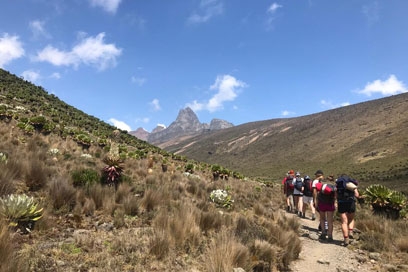
Because they replicate ascent conditions, hill training and stair climbing are especially beneficial. Try to go on weekly hikes on uneven ground with a backpack that is at least as heavy as what you will be carrying. This increases muscle endurance and leg strength, both of which are necessary for enduring long trail days.
You should incorporate strength training into your regimen. Pay attention to your lower back, legs, and core—areas that are crucial for stability and balance when negotiating steep and rocky terrain. Exercises as basic as lunges, squats, planks, and step-ups can significantly improve your general level of fitness.
Flexibility is equally crucial. Frequent yoga or stretching exercises enhance recuperation in between trekking days and lower the chance of injury. Your body will be better prepared for the demands of high altitude if your exercise regimen is more balanced.
Getting Mentally Ready for the Task
Being physically fit is only half the fight. Trekking at high altitudes demands mental toughness, particularly when the air gets thinner and every step feels heavier. It is easier to maintain motivation in difficult situations if you mentally prepare beforehand.
Start by establishing reasonable expectations. Recognize that the weather may be unpredictable and that progress may be sluggish. You can better visualize the terrain, daily distances, and potential challenges by researching your chosen route, especially if you're thinking about trekking Mount Kenya.
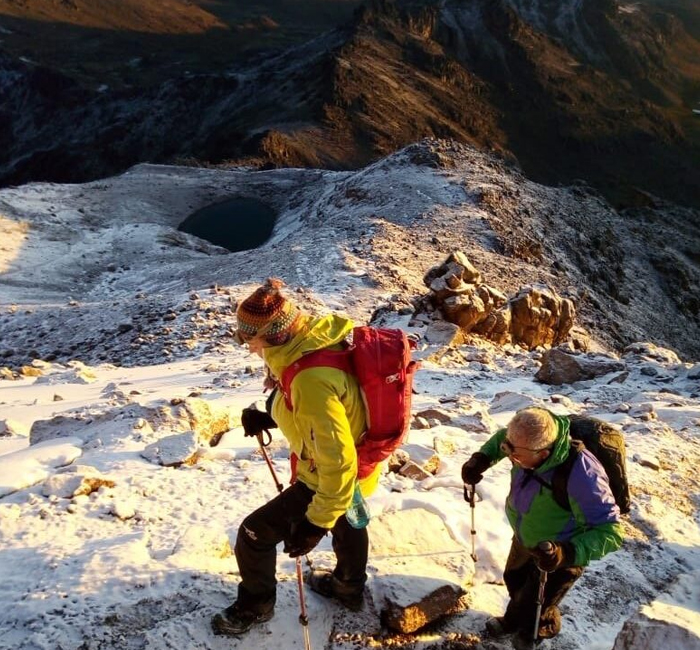
Particularly when addressing discomfort associated with altitude, breathing exercises and mindfulness practices can enhance mental clarity and tranquility. Trekking at altitude is a steady, purposeful journey rather than a race, so practice being patient and focused.
Develop an optimistic outlook as well. Even in difficult times, you can maintain a positive attitude by appreciating small victories, taking in the view, and remaining in the moment. Mental toughness frequently becomes the difference between reaching the top and going back.
A high-altitude trek requires a comprehensive approach that combines mental and physical preparation. You lay the groundwork for a fulfilling and remarkable journey by developing strength, endurance, and a resilient mindset. Careful planning guarantees that you can fully enjoy the experience, safely, and with a sense of accomplishment that lasts long after the trip is over, whether you are taking on multi-day mountain ranges or setting out on an amazing Mount Kenya trekking expedition with us.