Climbing Mount Kenya in 2026: When is the Best Time to Go?
A lot of people think planning a mountain climb is just about fitness.
Train a bit, pack your gear, pick a date… done.
But with best time to climb mount Kenya, timing actually plays a bigger role than most expect. Weather up there doesn’t behave the way people imagine. It shifts. Sometimes quickly.
Planning your Mount Kenya climb? Get in touch today to explore guided 4-day and 6-day expedition options.
The Two Windows Most Climbers Aim For
If you ask guides, they’ll usually point to two periods.
January to February… then again August to September.
These months tend to be drier. Skies clearer, at least more often than not. It doesn’t mean perfect weather, just more stable conditions for Climbing Mount Kenya.
That stability helps, especially when you're aiming for higher peaks.
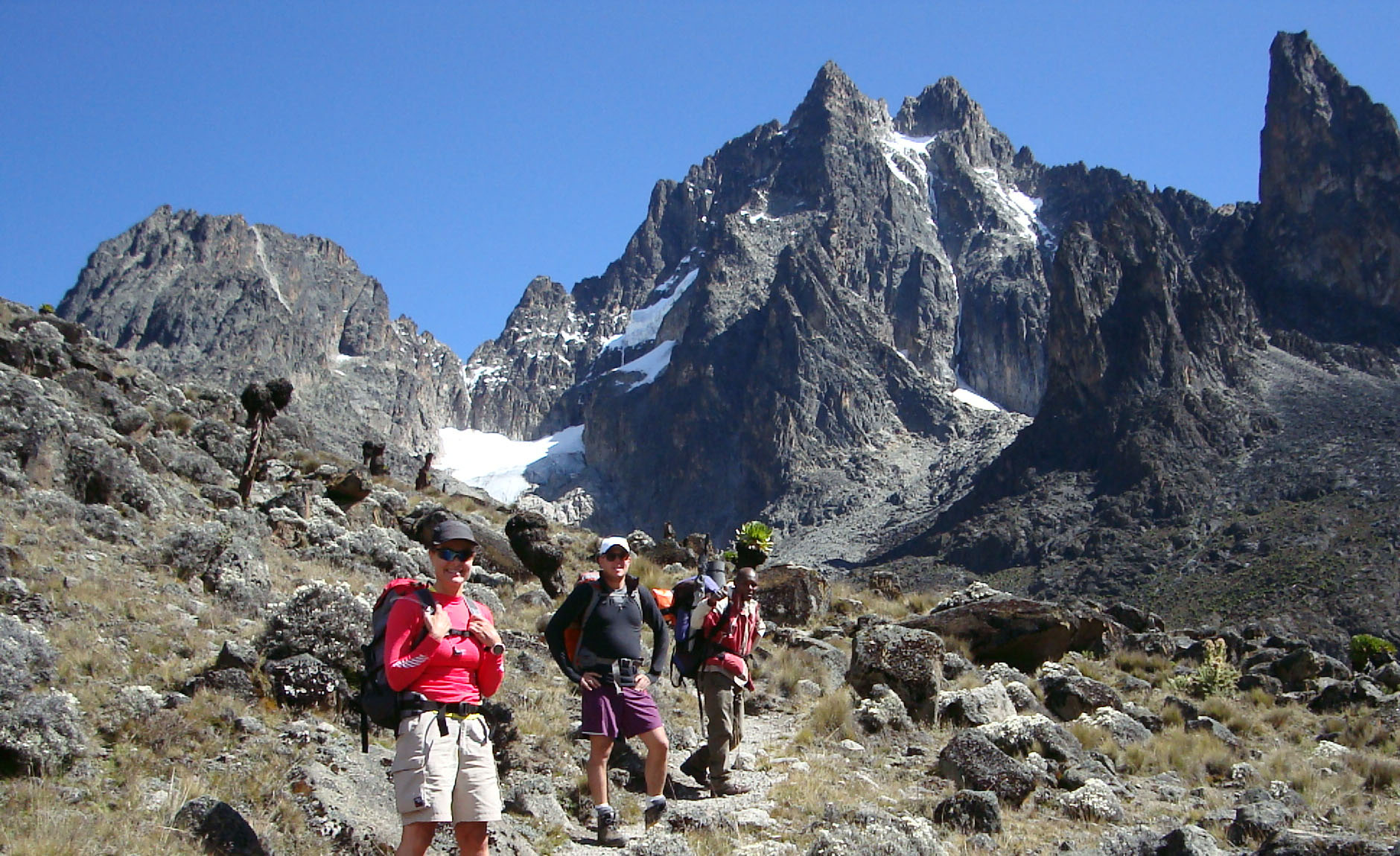
January to February – Clear but Cold
Early in the year, conditions are often quite good.
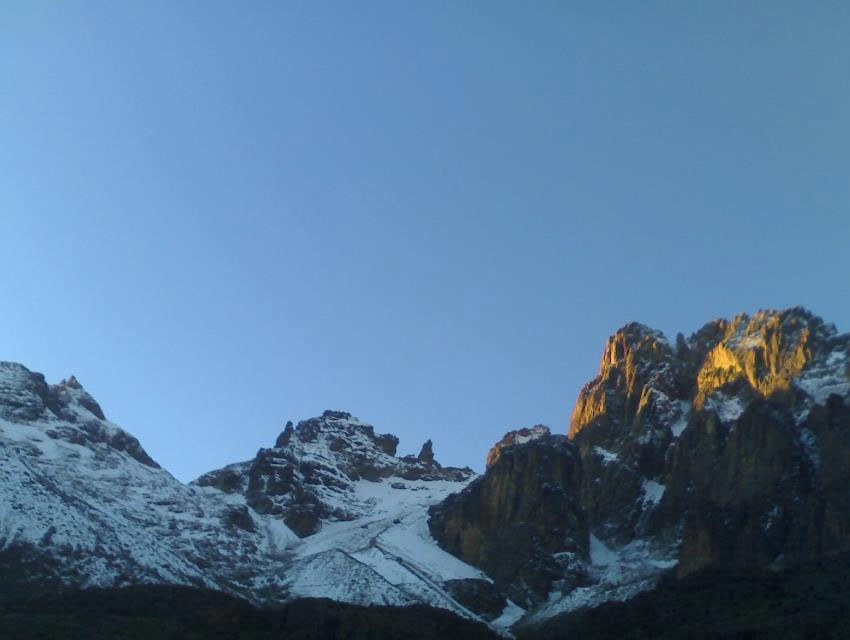
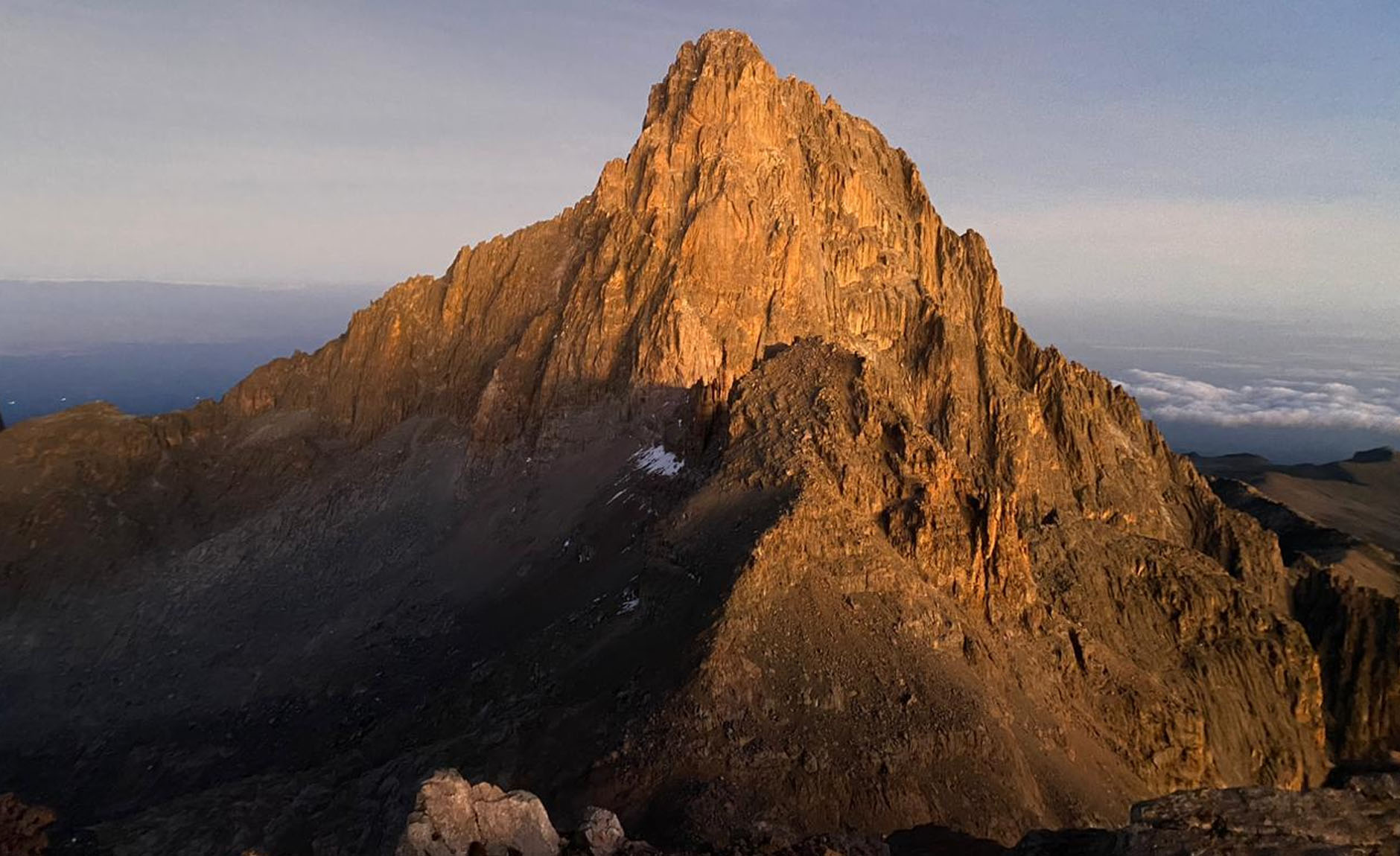
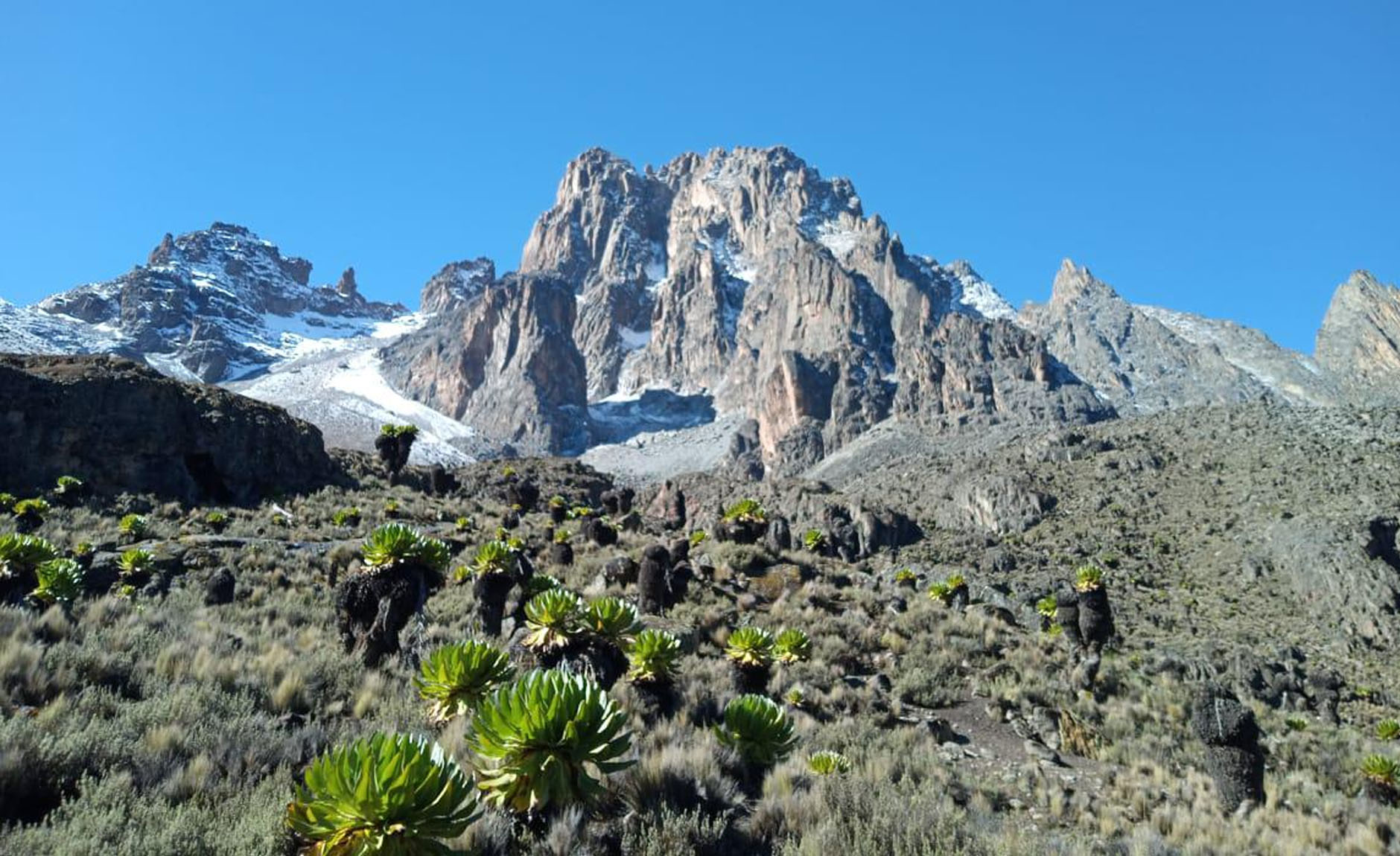
Dry trails, better visibility, and those sunrise summit views people talk about. You can actually see across the landscape without clouds blocking everything.
But nights… they can get seriously cold. Higher camps aren’t forgiving. If your gear isn’t right, you’ll feel it.
Still, many climbers pick this window because the mountain feels more “open” in terms of visibility.
August to September – Another Safe Bet
Then there’s the second season.
August and September usually offer similar conditions. Not identical, but close enough. Trails tend to be in better shape compared to the wetter months.
Some climbers say this period feels a bit quieter too. Hard to guarantee though. Depends on the year.
Either way, it’s another good option when looking at mount Kenya weather seasons.
The Months People Try to Avoid
Now… March to May, and again around October to December.
These months are generally wetter. Rain can slow things down quite a bit. Trails become slippery, camps feel damp, and visibility drops.
It’s not that climbing stops completely. Some people still go.
But conditions become less predictable. And that’s where planning gets tricky.
Why Guides Matter More Than the Month
Here’s something people don’t always realise.
Even during the “good” months, weather can turn. Fast.
That’s why working with a Trekking Company in Kenya matters so much. It’s not just about booking a trip. It’s about having a team that knows when to move, when to slow down, when to adjust.
Go Mount Kenya Expedition, for example, plans routes based on current conditions, not just the calendar. That makes a difference when you’re high up on the mountain.
What Most Climbers Ask Before They Go
Is there a perfect month to climb? Not really. Some months are better, but nothing is guaranteed.
Which season has the best visibility? January–February often has clearer skies.
Are climbs possible during rainy seasons? Yes, but conditions can be tougher.
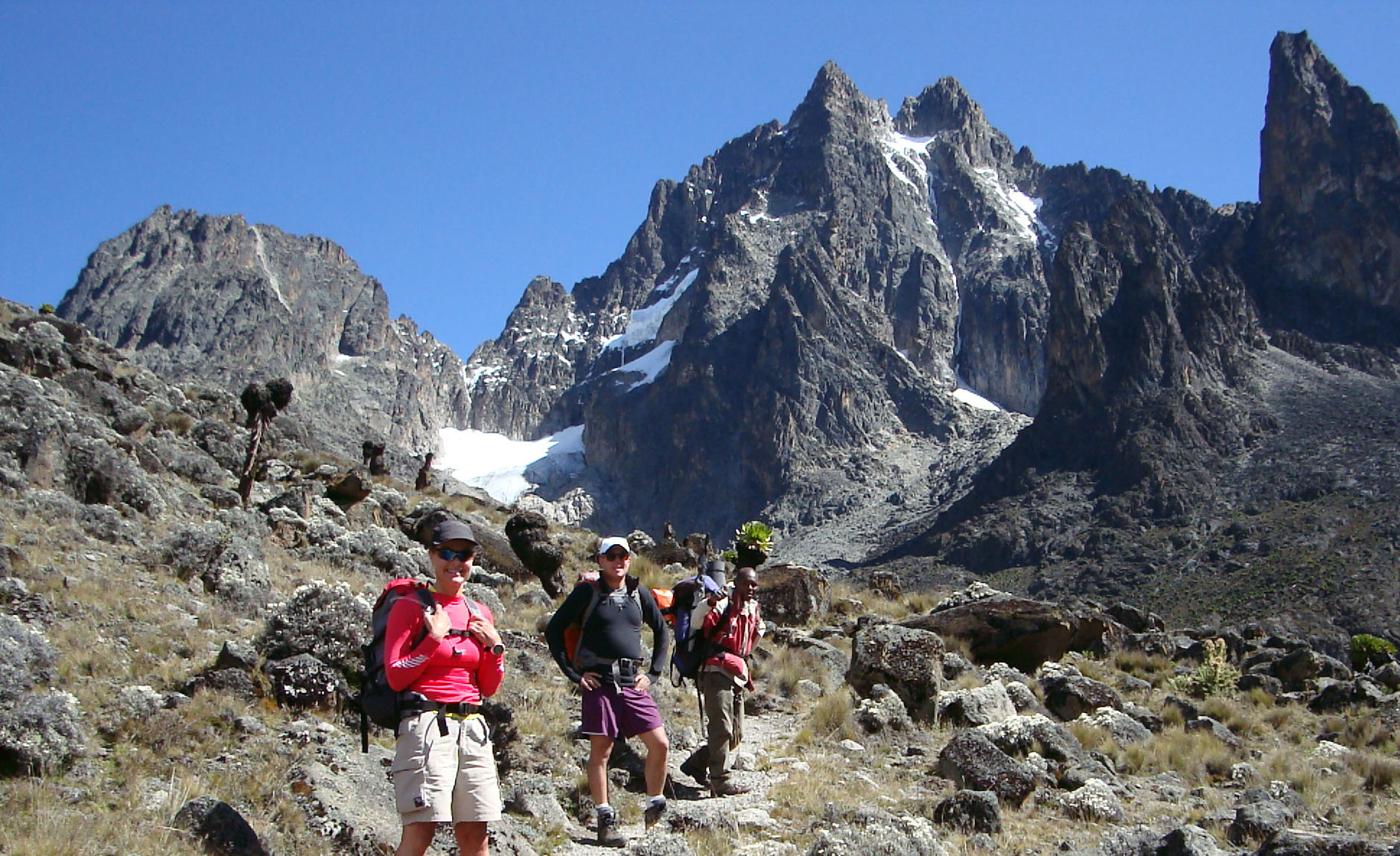
How long do climbs take? Most trips run 4 to 6 days depending on the route.
Do guides adjust plans? Yes, experienced teams change pace and routes based on conditions.
Bottom Line
So, when is the best time to climb mount Kenya?
If you want better chances of clear skies, aim for early in the year or late summer.
But honestly… timing is only part of it. The team guiding you, the way the trek is planned, how the route is handled — those things matter just as much.
And for many climbers, choosing the right 4-day or 6-day package with experienced support ends up being what really shapes the whole experience.